
Every November, Canadians (and people in many other commonwealth countries) proudly wear a red poppy as a symbol of remembrance, honouring the courage, sacrifice, and service of those who have served our country.
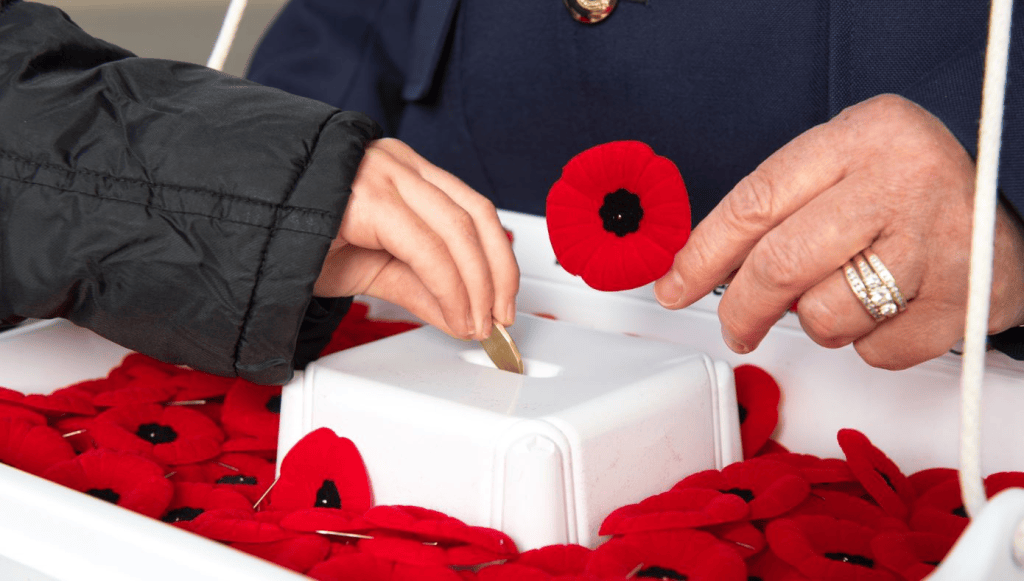
It’s a small flower with an extraordinary history, forever associated with the battlefields of the First World War and the words of Canadian Lieutenant-Colonel John McCrae’s famous poem, In Flanders Fields.
And while the red poppy has become one of the most recognizable symbols of remembrance in the world, it represents just one species among a remarkably diverse group of flowers.
Several of which, I grow in my garden..
Corn Poppies.
These are these iconic flower of remembrance, but they come in many more colours than just red.
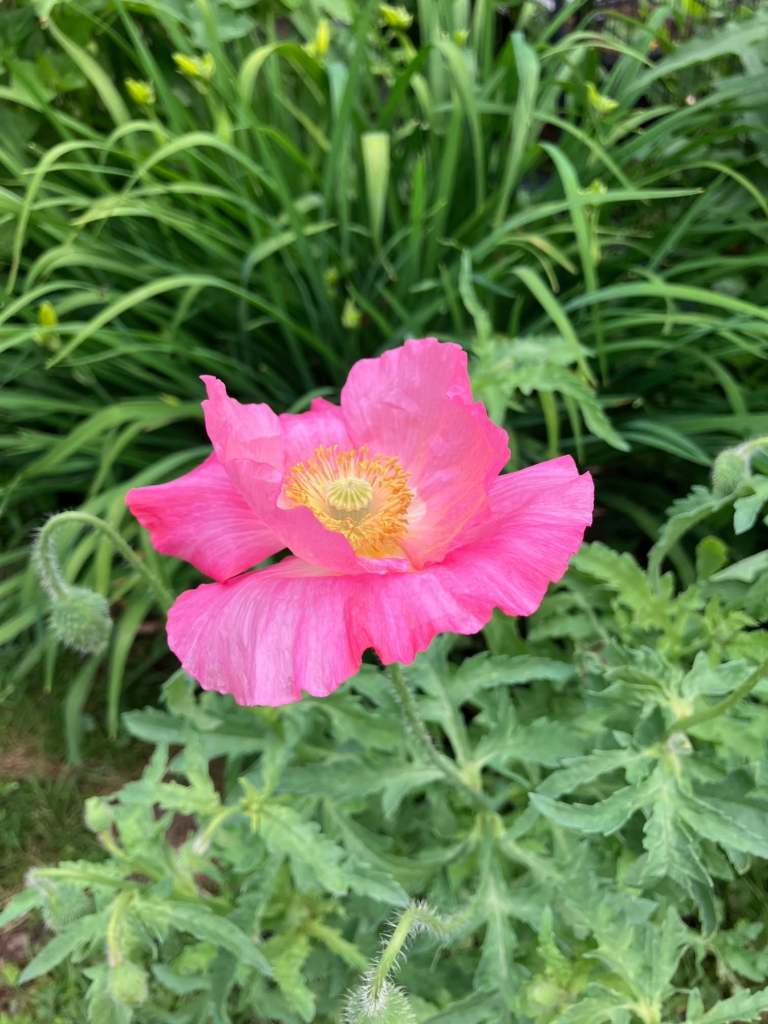
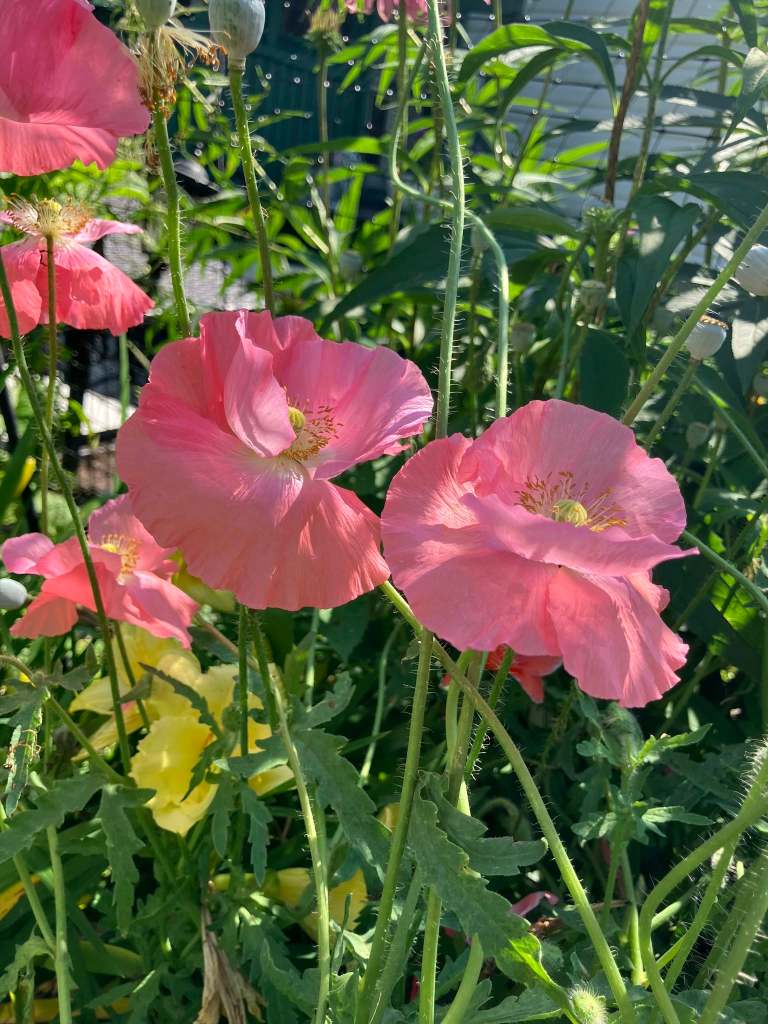
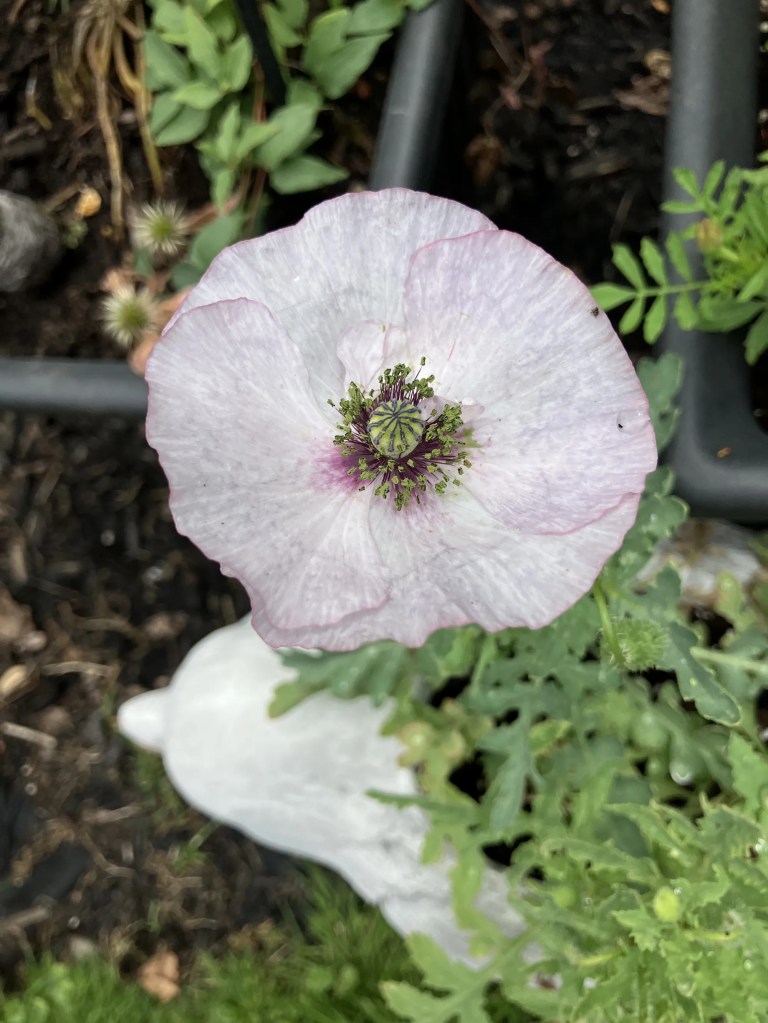
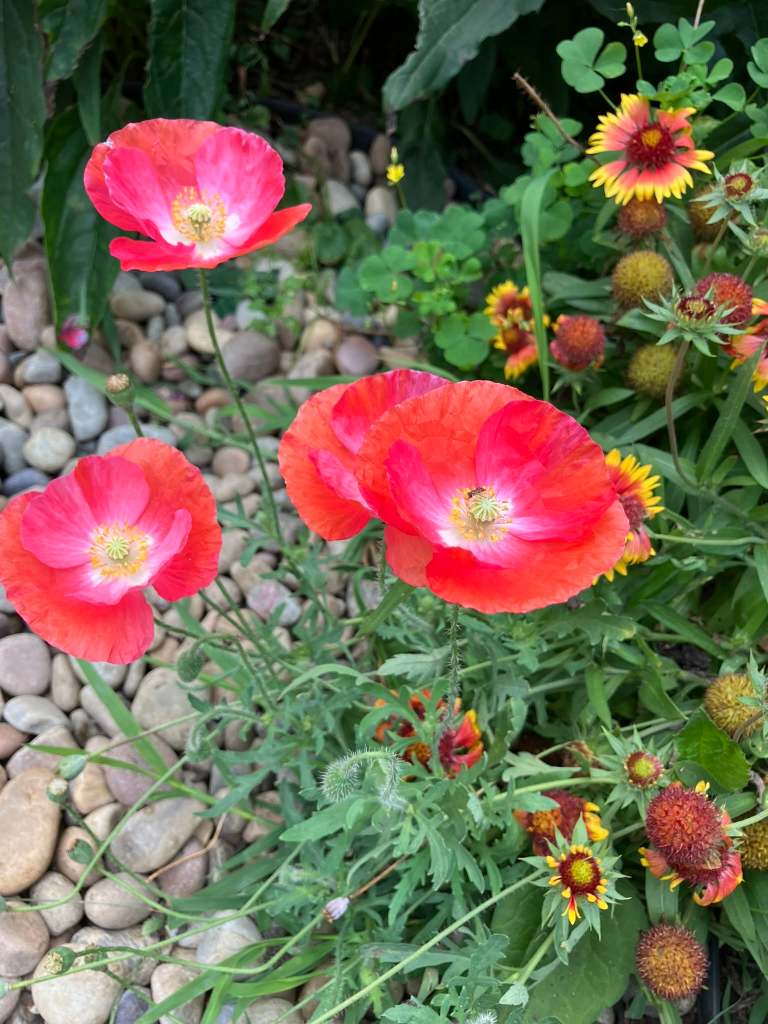
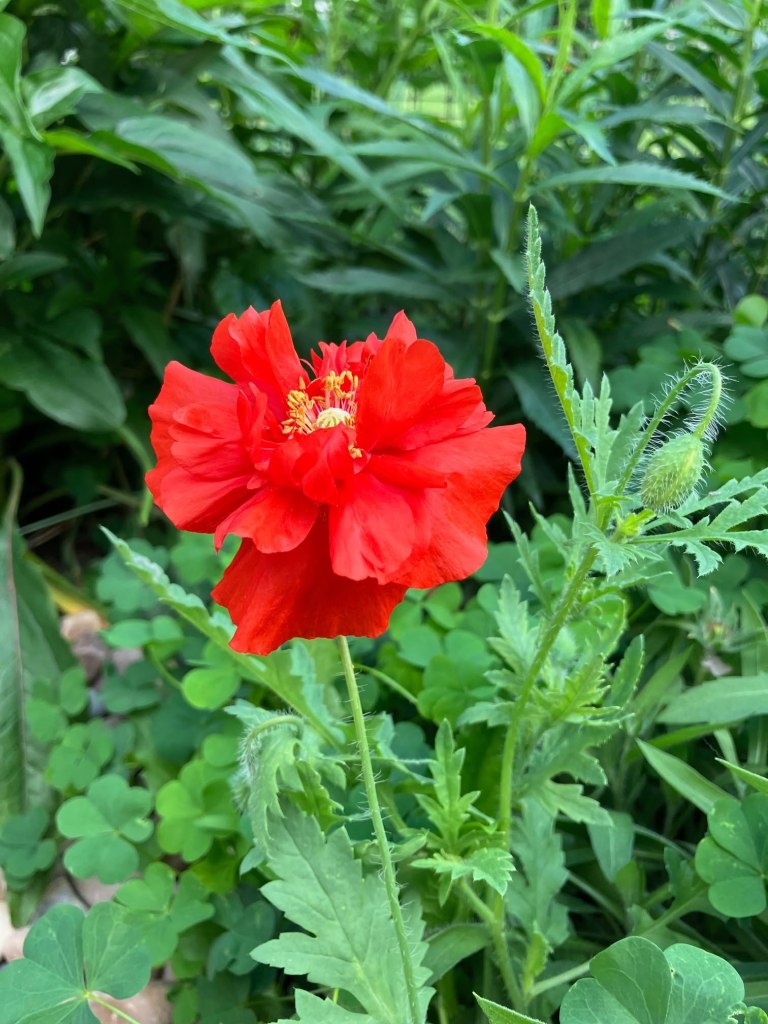
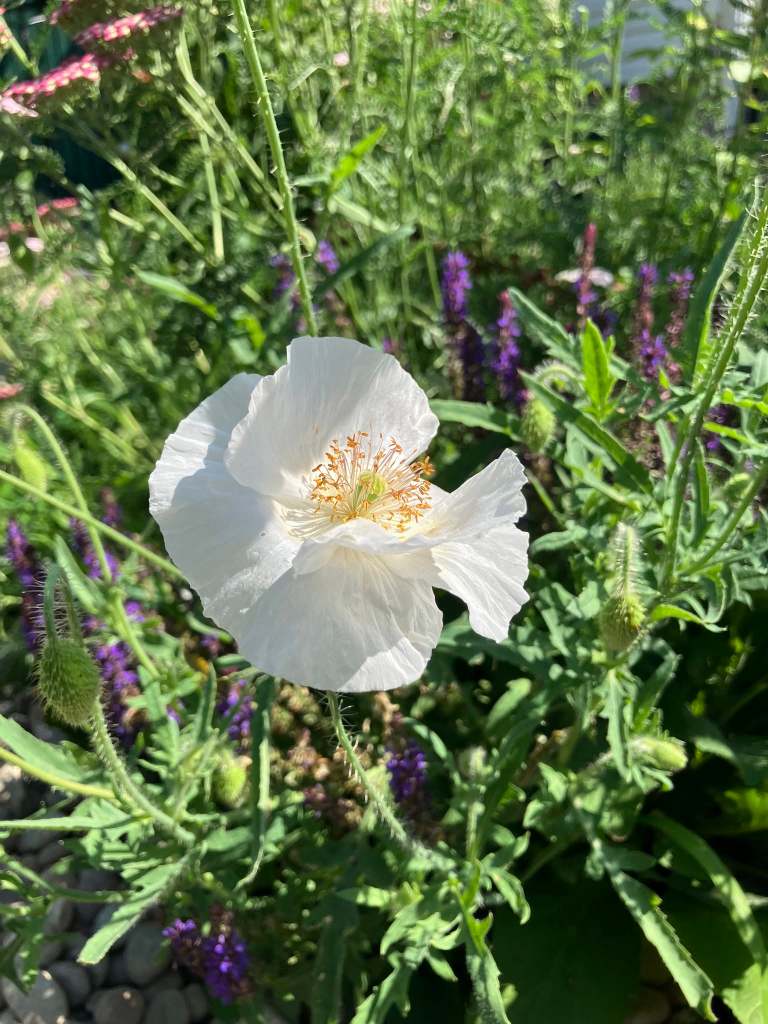
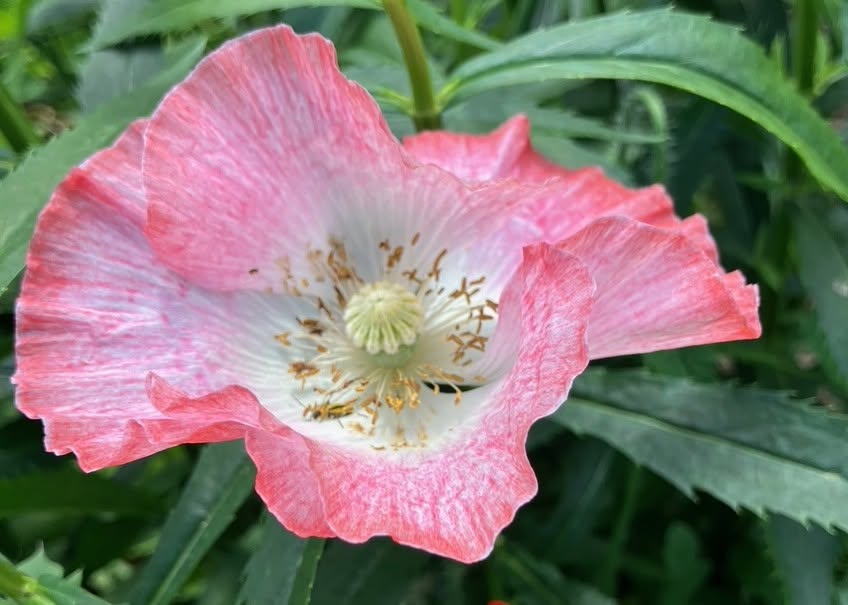
Corn poppies are annuals, producing slender stems topped with delicate, tissue-paper petal. Their flowers are relatively short-lived, but a patch of poppies can provide weeks of colour as new blooms continually open.
Oriental Poppy (Papaver orientale)
If corn poppies are delicate and understated, Oriental poppies are their flamboyant cousins.
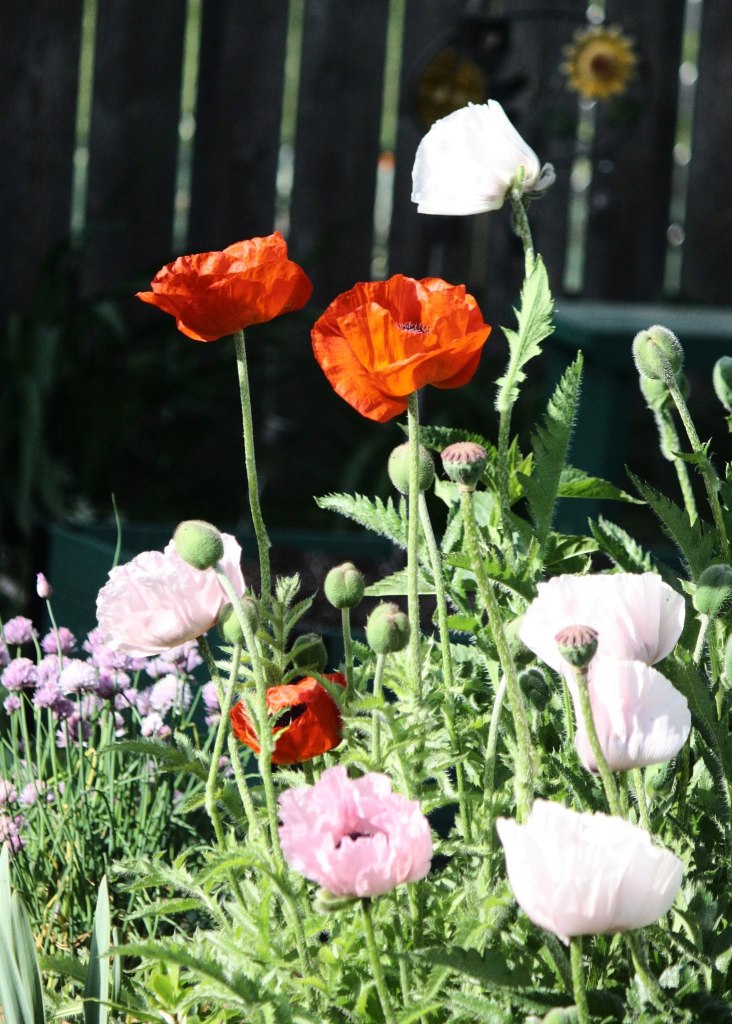
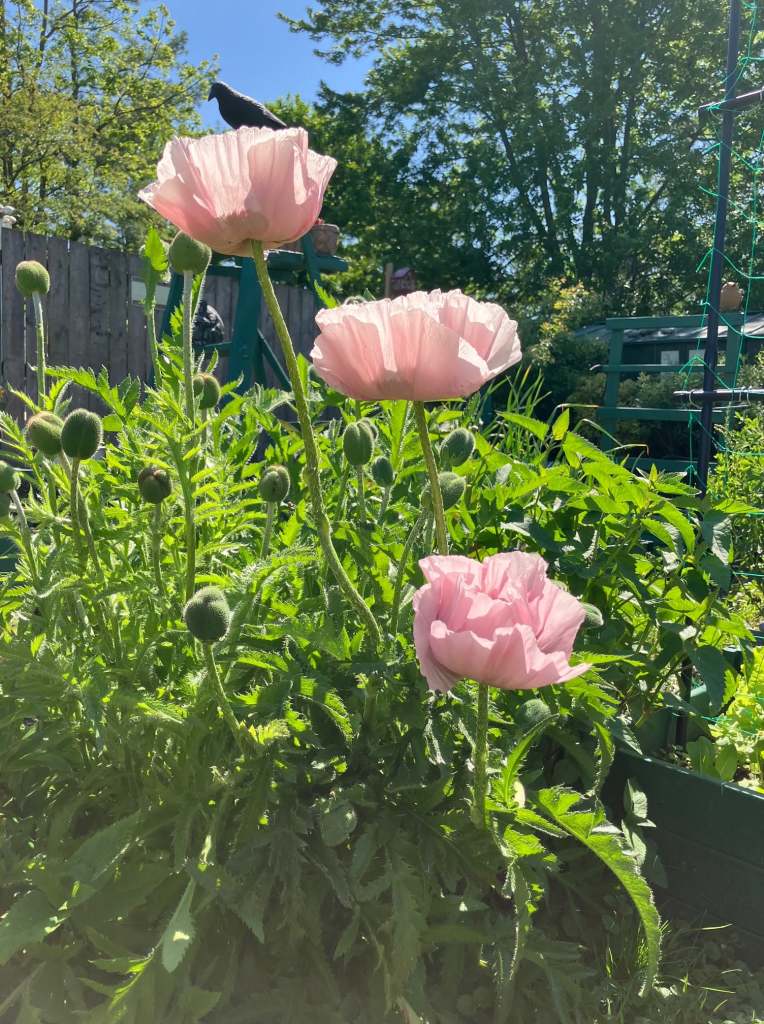
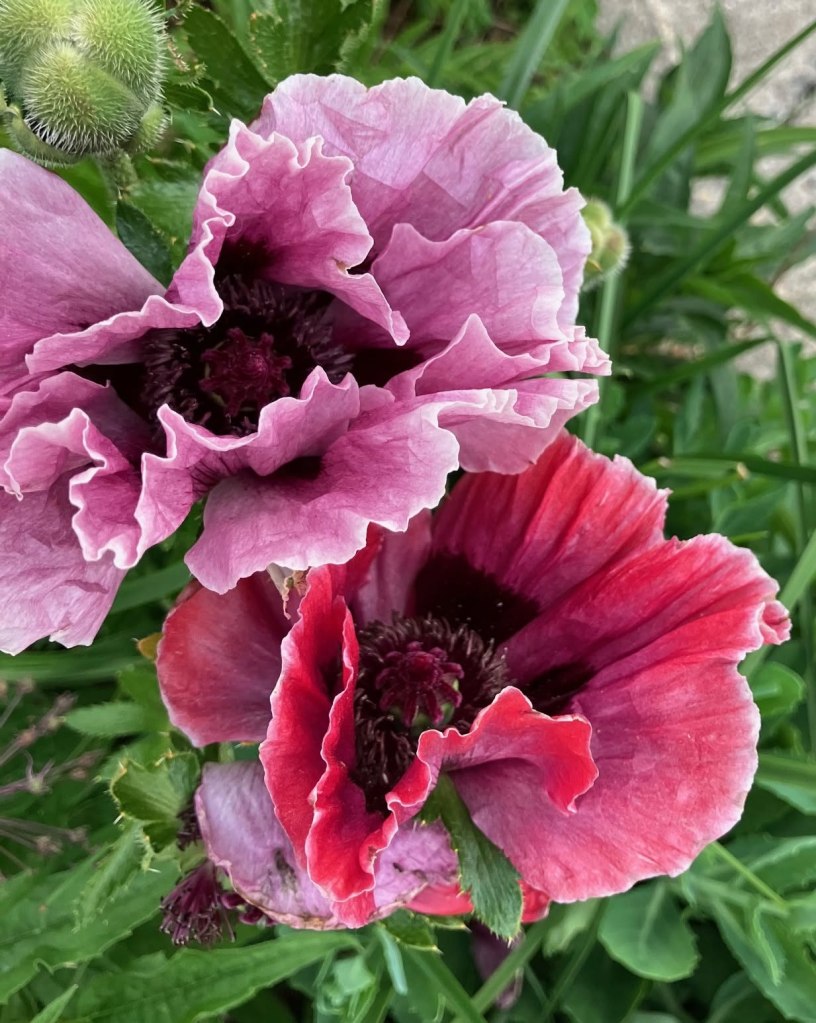
These hardy perennials produce enormous flowers, sometimes measuring 15–20 centimetres across, in brilliant shades of orange, scarlet, salmon, pink, and white. I have white, red, pale pink and some gorgeous burgundy ones in my garden
Oriental poppies bloom in late spring or early summer, often disappearing from view as temperatures rise. Their foliage naturally dies back during the hottest part of the season, but sometimes we get lucky and they pop back for a second blooming when the weather cool again
California Poppy (Eschscholzia californica)
The California poppy belongs to a different genus but shares the same botanical family as the familiar garden poppies.
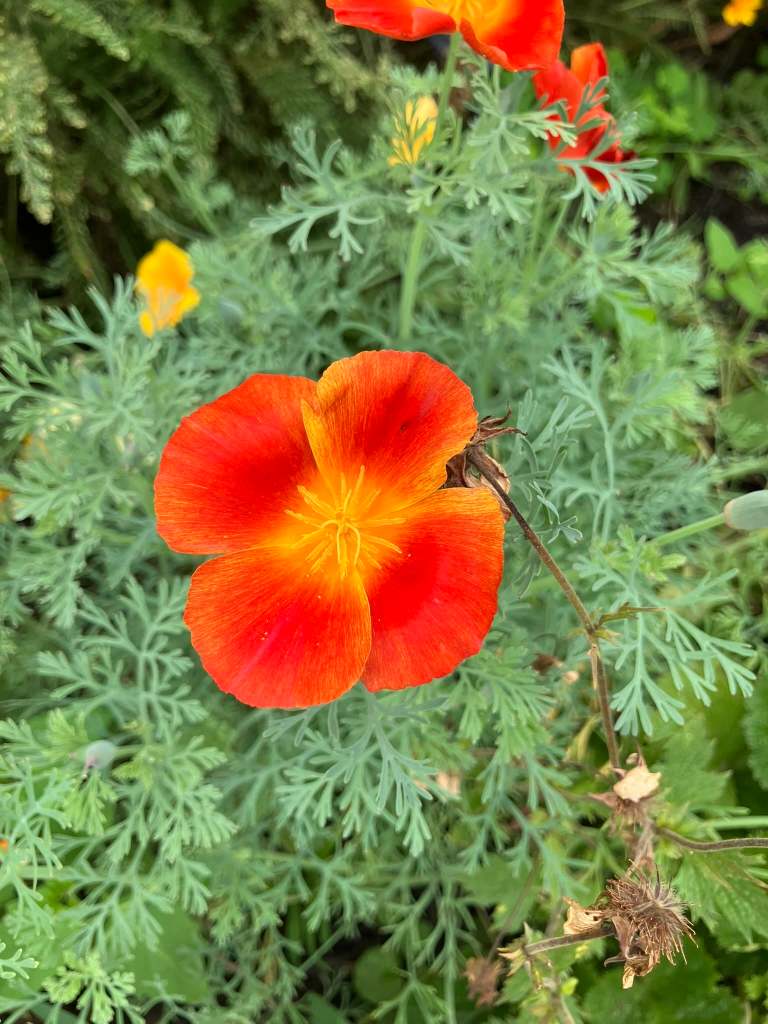
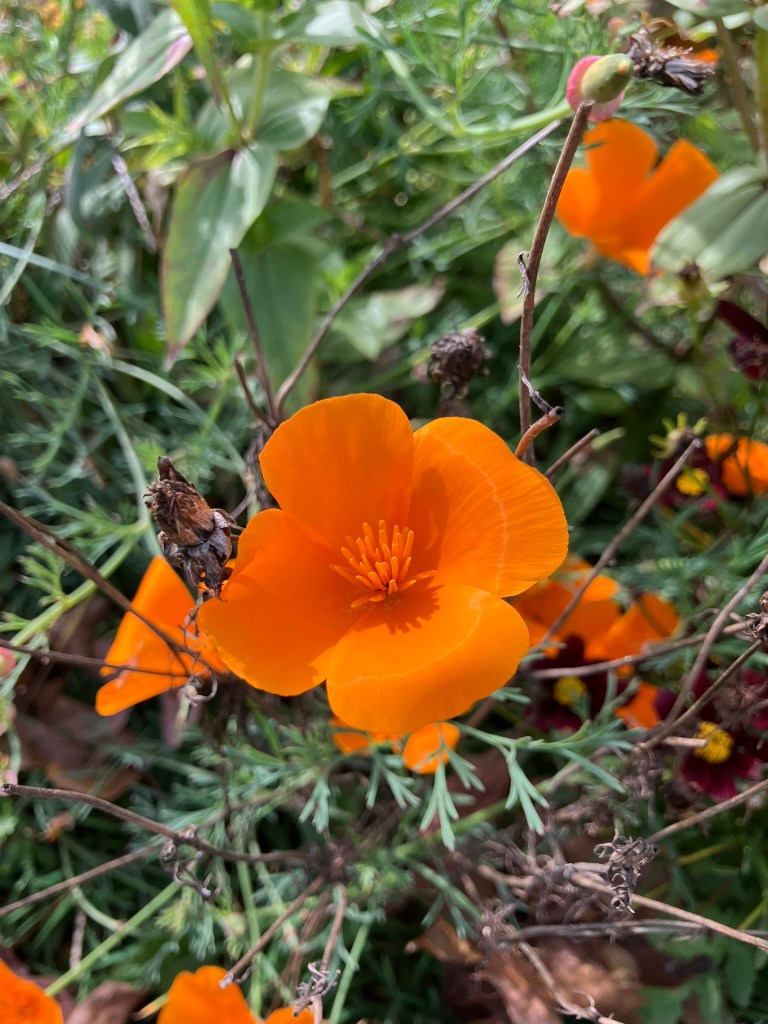
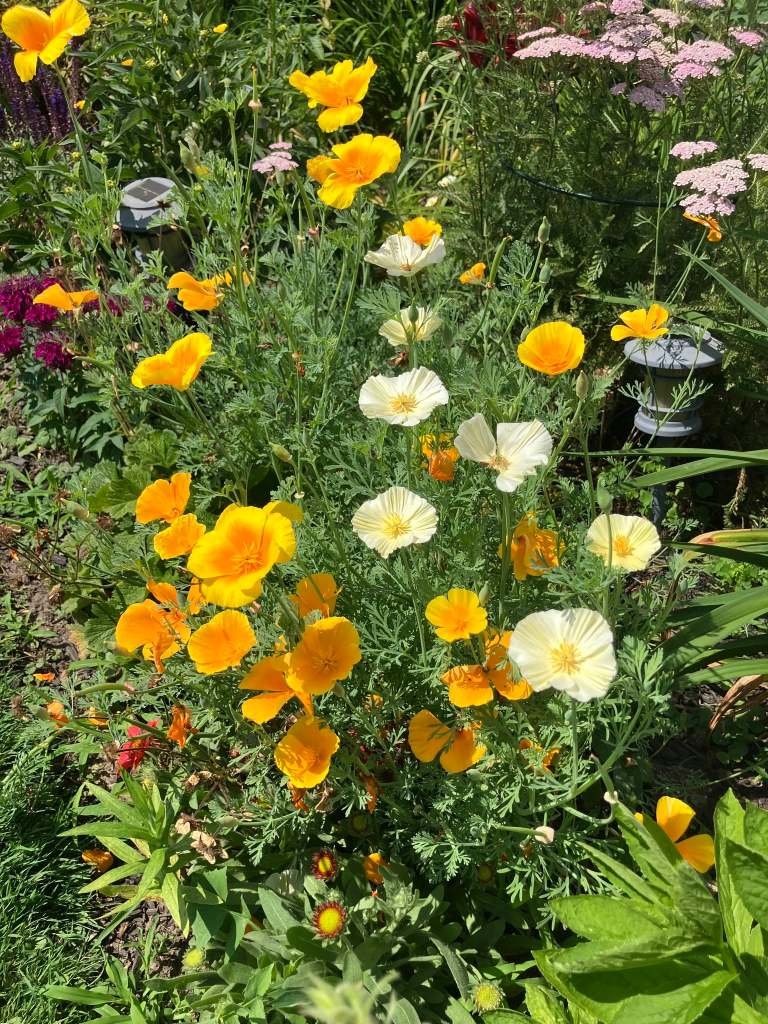
Native to western North America, this cheerful wildflower produces brilliant golden-orange flowers above finely divided, blue-green foliage. One of its most fascinating characteristics is the way its flowers respond to light. They open in sunshine and close during cloudy weather or at night, protecting their reproductive structures when conditions are less favourable.
These little guys were so robust in my garden, and there’s STILL some blooming out there right now!
Iceland Poppy (Papaver nudicaule)
Despite their name, Iceland poppies are not native to Iceland. They originate from cool northern regions of North America and Asia. I had them at the townhouse, and they thrived, but I haven’t been able to get them to establish here.
These graceful flowers are famous for their silky, almost translucent petals in shades of yellow, orange, white, pink, and cream. Unlike their heat-loving relatives, Iceland poppies prefer cool growing conditions and often perform best in spring and early summer. In warmer climates, they’re frequently grown as annuals, although they’re naturally short-lived perennials.
Opium Poppy (Papaver somniferum)
Few flowers combine beauty, history, and controversy quite like the opium poppy.
These striking annuals produce large, often ruffled or densely petalled blooms in shades of pink, purple, red, and white. Some varieties resemble enormous peonies, while others have simpler, elegant flowers.They have been cultivated for thousands of years, both for their ornamental beauty and for the seeds used in baking and cooking. However, the plant also produces alkaloids used in the manufacture of medicinal opioids, and its cultivation is regulated in some jurisdictions, including here in Canada. Despite its complicated history, the opium poppy remains one of the most visually spectacular members of the poppy family.
So, this Remembrance Day, take a moment to appreciate the little red flower that carries such enormous meaning. Among the many beautiful varieties of poppies, it is the humble red corn poppy that has come to symbolize courage, sacrifice, resilience, and remembrance. More than a century after the guns fell silent on the battlefields of Flanders, its delicate petals continue to remind us of the lives lost, the freedoms we enjoy, and the generations who have served to protect them.
A simple flower. An extraordinary legacy. A reminder that must never fade.
Lest we forget.

